How a Super El Niño Could Impact Homeowners in the Gulf States
How a Super El Niño Could Impact Homeowners in the Gulf States
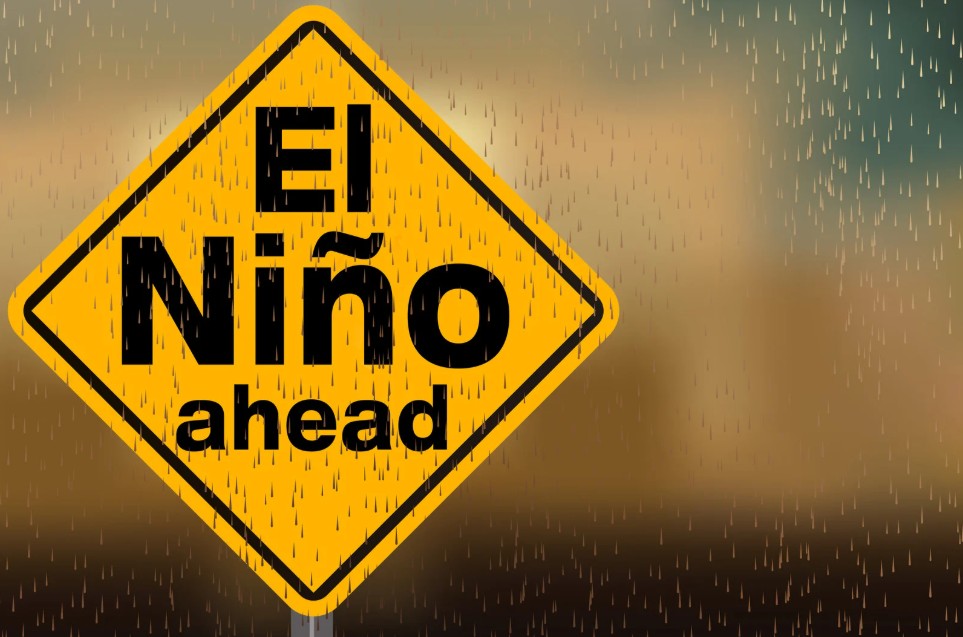
A super El Niño in the Pacific Ocean may feel far away from homeowners in Texas, Louisiana, Mississippi, Alabama, and Florida, but its effects can reach the Gulf Coast in very real ways. El Niño occurs when ocean temperatures in the central and eastern tropical Pacific become warmer than normal, which can shift the jet stream and alter weather patterns across the United States. For the Gulf states, the biggest concern is often not heat, but a stormier, wetter winter and early spring.
During stronger El Niño years, the southern tier of the U.S. typically sees a more active storm track. That can mean more frequent rain events, stronger cold fronts, cloudy stretches, and an increased risk of severe weather. For homeowners, this raises the importance of checking roofs, gutters, drainage, trees, fences, and exterior structures before the pattern fully sets in. Small maintenance issues can become expensive quickly when repeated storms expose weak spots.
Flooding is one of the clearest risks. Many Gulf Coast communities already deal with low elevation, saturated soils, poor drainage, and development near bayous, rivers, and coastlines. A wetter El Niño pattern can increase the chance of street flooding, yard flooding, and water intrusion around foundations, crawl spaces, garages, and first floors. Homeowners should review whether their property sits in a flood-prone area and remember that standard homeowners insurance typically does not cover flood damage.
Wind and severe storms are another concern. El Niño can sometimes reduce Atlantic hurricane activity because of stronger wind shear, but it does not eliminate tropical risk. Even outside hurricane season, Gulf states can experience damaging thunderstorms, tornadoes, and squall lines. That means homeowners should secure loose outdoor items, inspect shutters or impact protection, trim weak tree limbs, and make sure emergency supplies are ready.
In coastal areas, repeated storms can also worsen erosion and increase the risk of minor to moderate coastal flooding, especially when strong onshore winds combine with high tides. Homeowners near the water should pay close attention to local advisories and consider documenting the current condition of their property with photos before storm season or winter storm patterns intensify.
A super El Niño may also create hidden household problems. Prolonged damp weather can lead to mold growth, roof leaks, pest activity, and foundation stress. HVAC systems may work differently during cooler, wetter periods, and poor ventilation can make indoor humidity harder to manage. Dehumidifiers, clean air filters, sealed windows, and proper attic ventilation can help reduce moisture-related problems.
The best approach for Gulf Coast homeowners is preparation, not panic. El Niño does not guarantee that every home will flood or suffer storm damage, and every event behaves differently. But the pattern does increase the odds of certain hazards that Gulf residents already know well: heavy rain, severe storms, saturated ground, and water-related damage. Reviewing insurance, photographing belongings, clearing drains, maintaining roofs, and making a family emergency plan are practical steps that can reduce risk.
And when damage does happen, homeowners should not have to fight alone. If you are struggling to get paid for your insurance claim or feel like the insurance company is not honoring your policy, Averill & Reaney is always here to help. Our team understands how frustrating delayed, denied, or underpaid claims can be, especially after storms and severe weather. Call our office at 985-378-8001 to discuss your situation and learn how we may be able to assist.
For homeowners in the Gulf States a super El Niño should be treated as a reminder to strengthen the basics. Weather patterns may begin in the Pacific, but their consequences can end up at the front door.
Related Posts
Your Trusted Advisors in Property Damage, Personal Injury, and Estate Planning.


Contact Now
We’re here to help you. Fill out the form below to schedule a consultation and one of our team members will get back to you promptly.