Gulf Coast Winter - Dangers & Prevention
Gulf Coast Winter - Dangers & Prevention
Winter in the Gulf Coast is often milder than in many parts of the country, but when cold weather does strike, it can cause serious and sometimes unexpected property damage. Because homes in the state are generally designed for heat and humidity rather than freezing temperatures, even brief winter weather events can lead to costly repairs and insurance claims. Understanding the most common causes of winter property damage—and how to prevent them—can help homeowners protect both their property and their financial well-being.
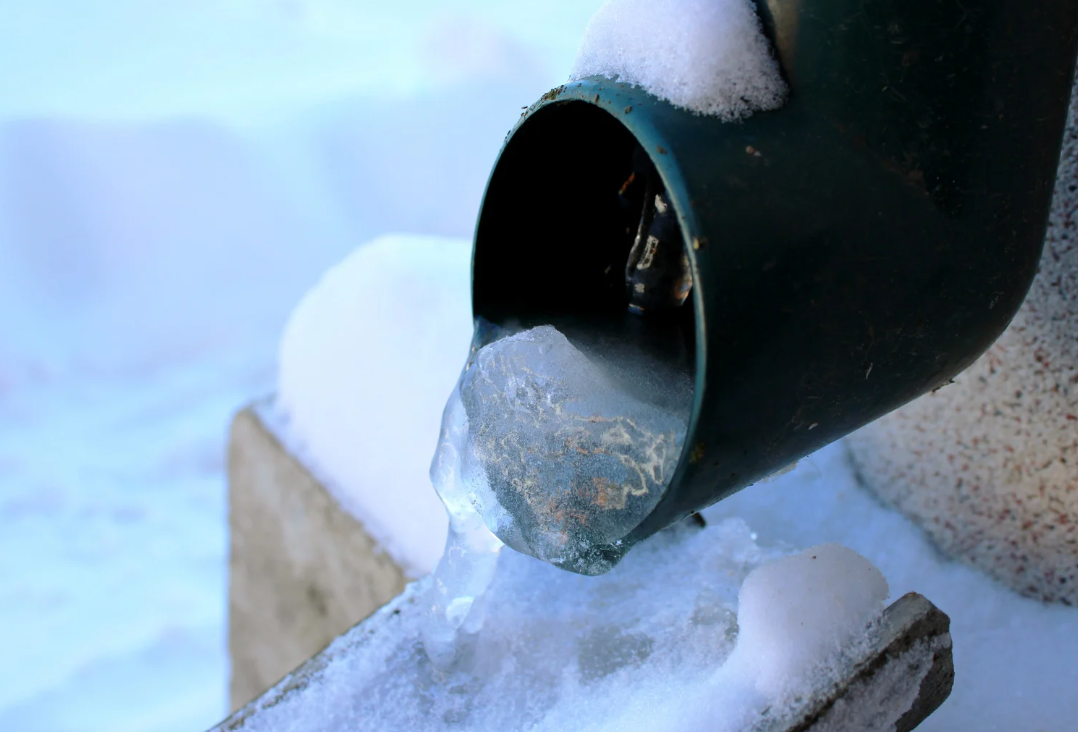
One of the most common causes of winter damage in the Gulf Coast is frozen and burst pipes. Plumbing systems in the state are often less insulated than those in colder regions, making them vulnerable when temperatures dip below freezing. Pipes located in attics, crawl spaces, exterior walls, or outdoor spigots are particularly at risk. When water freezes, it expands, increasing pressure inside the pipe until it cracks or bursts. The resulting water damage can be extensive, affecting walls, floors, ceilings, and personal belongings, often prompting insurance claims that could have been avoided with simple precautions.
Another frequent winter issue is roof damage caused by cold snaps, heavy rain, or occasional ice. Cold temperatures can cause roofing materials to contract and become brittle, while rain or ice can exploit small cracks, leading to leaks. These leaks may not be immediately visible but can result in mold growth, ceiling stains, and structural damage that homeowners only discover weeks later.
Winter storms can also bring strong winds that damage siding, windows, and fences. Even without snow or ice, gusty conditions associated with cold fronts can loosen shingles, break tree limbs, or send debris into homes. Fallen branches are a major concern, especially in neighborhoods with mature trees. Damage from wind and falling objects is a common reason homeowners file insurance claims during the Gulf Coast’s winter months.
Electrical issues and fire hazards also increase in winter. Space heaters, fireplaces, and heating systems that are used infrequently throughout the year may malfunction when suddenly put into regular use. Faulty wiring, blocked vents, or improper heater placement can lead to house fires or smoke damage. Insurance claims related to winter fires are often complicated, particularly if insurers believe the damage resulted from improper maintenance or unsafe use of heating equipment.
Homeowners can take several proactive steps to reduce the risk of winter property damage. Insulating exposed pipes, sealing cracks around doors and windows, and disconnecting outdoor hoses can help prevent freezing. During extreme cold, allowing faucets to drip slightly and keeping cabinet doors open to circulate warm air can further protect plumbing. Regular roof inspections and prompt repairs before winter arrives can minimize leaks and water intrusion.
Trimming trees near the home, securing loose outdoor items, and checking heating systems before cold weather hits are also important preventative measures. Homeowners should ensure smoke detectors are working properly and follow manufacturer guidelines when using space heaters or fireplaces. Finally, reviewing insurance policies ahead of winter can help homeowners understand what is covered, what documentation may be required for a claim, and whether additional coverage is needed.
While Gulf Coast winters may be short, their impact can be costly. By recognizing common causes of winter property damage and taking preventative steps early, homeowners can reduce the likelihood of filing an insurance claim—and be better prepared if they need to. If your home has been affected by cold weather, frozen pipes, wind, or roof damage, don’t navigate the insurance process alone. Reach out to Averill & Reaney at 985-378-8001 to protect your rights and get the help you deserve.
Related Posts
Your Trusted Advisors in Property Damage, Personal Injury, and Estate Planning.


Contact Now
We’re here to help you. Fill out the form below to schedule a consultation and one of our team members will get back to you promptly.